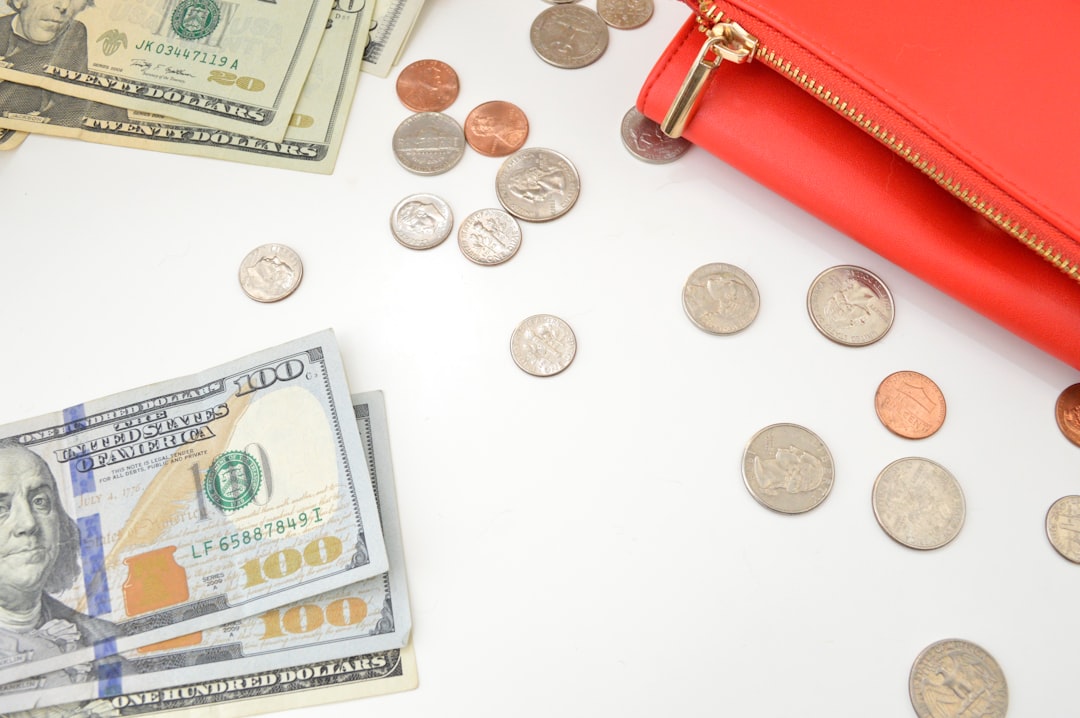
There’s a version of this advice everyone repeats: use cash envelopes to control your spending. Stuff physical bills into labeled envelopes, one for each category. When the envelope’s empty, you stop spending. It’s mostly wrong—or at least incomplete—for where most of us are living our financial lives right now.
I tried the cash envelope system for four months back when I was drowning in grocery overspending. Every Sunday, I’d hit the ATM, pull out $600, and divide it across six envelopes: groceries, gas, restaurants, personal care, entertainment, and miscellaneous. The theory was clean. The reality was messy.
The envelope method is having a moment again. TikTok is full of aesthetic cash-stuffing videos. Personal finance influencers swear it’s the only thing that stopped their Target runs from ballooning. And honestly, I get the appeal. There’s something about holding actual money that makes spending feel more real than tapping a card or clicking a button.
But here’s what nobody mentions: in a world where half your bills autopay from your checking account and your landlord doesn’t accept cash, the system only works for a small slice of your budget. And that slice keeps shrinking.
What Actually Happens When You Use Cash for Everything
The first week was weirdly satisfying. Handing over three twenties for groceries felt more significant than swiping a card. I counted change. I thought twice about adding ice cream to my cart because I could see the bills getting thinner in my wallet. That psychological friction is real, and for impulse spending, it absolutely works.
But by week three, the cracks showed. My gym only takes card payments. So does my internet provider, my car insurance, and my phone bill. Those expenses—which make up about 60% of my monthly spending—never touched an envelope. I was using cash for groceries and gas while the majority of my money moved digitally anyway.
Then there’s the ATM fee problem. If you don’t bank with a major chain, pulling out cash costs money. I was paying $3 every time I needed to refill my envelopes, which added up to about $12 a month. That’s $144 a year to access my own money. The friction that’s supposed to help you spend less starts costing you more.
The cash envelope method was designed for an economy where most transactions happened in person and credit cards were less common. That’s not the world we’re budgeting in anymore.
Why Does Everyone Say Cash Makes You Spend Less?
The research isn’t wrong. Studies show people spend roughly 12-18% less when they use cash instead of cards. The physical act of handing over money and getting less back creates what behavioral economists call “pain of payment”—you feel the loss more acutely.
With a credit or debit card, that pain gets delayed. You swipe, you get your stuff, and the sting comes later when you check your account or pay your bill. By then, you’ve already mentally moved on. The disconnect between spending and feeling the impact makes it easier to overspend without noticing.
Here’s where it gets complicated: that same friction disappears the moment you treat your debit card like an envelope. If you know you have $150 left in your grocery budget and you check your balance before checkout, you’re creating the same constraint. The medium matters less than the awareness.
I noticed this during month two. When I ran out of cash in my restaurant envelope, I didn’t stop eating out. I just pulled from the miscellaneous envelope and told myself I’d balance it later. The physical boundary only works if you actually respect it, and most of us are really good at finding loopholes in our own rules.
What About Digital Envelope Apps?
After my cash experiment fizzled, I tried the digital version. Apps like Goodbudget and YNAB (You Need A Budget—an acronym that sounds like software from ) let you create virtual envelopes and assign dollars to categories. You’re still using your debit card, but the app tracks which “envelope” each purchase comes from.
The biggest advantage is coverage. Every transaction, from Netflix to your electricity bill, fits into the system. You’re not managing two separate budgets for cash and digital spending. Everything lives in one place.
But here’s what I found: the psychological power is weaker. Looking at a number on a screen that says “$43 left in Groceries” doesn’t hit the same as seeing two twenties and three ones in an envelope. Your brain knows the difference between a physical constraint and a digital one. The app will let you overspend and just show the category in red. An empty envelope won’t.
That said, digital envelopes work better for people who are motivated by data and tracking. If seeing charts and reports keeps you engaged, the app route gives you more information to work with. For people who need the tactile reminder, it falls flat.
| Method | Best For | Biggest Downside |
|---|---|---|
| Physical Cash Envelopes | Impulse spenders who need tangible limits | Only works for in-person purchases; excludes most bills |
| Digital Envelope Apps | Data-driven budgeters who want full coverage | Weaker psychological friction; easier to ignore limits |
| Hybrid Approach | People with a few problem categories | Requires managing two systems simultaneously |
Is the Hybrid Approach Worth the Hassle?
After bouncing between all-cash and all-digital, I landed somewhere in the middle. I use cash envelopes for exactly two categories: groceries and restaurants. Those are the places where I consistently overspend and where physical cash is still widely accepted. Everything else runs through my checking account and gets tracked in a spreadsheet.
This setup isn’t elegant. I’m managing two systems, which means two places to check before I know my full financial picture. But it works because I’m only applying the high-friction method to the specific areas where I need it. I don’t use cash for gas because I rarely overspend there. I don’t use it for personal care because I buy most of that stuff online anyway.
The key is being honest about where your budget actually breaks down. If you’re blowing your entertainment budget on streaming services and app subscriptions, cash envelopes won’t help—you need to cancel things or set up spending alerts. But if your problem is walking out of the grocery store with $40 more in purchases than you planned, holding physical money might be exactly the guardrail you need.
Sources & further reading
Who Should Skip Cash Envelopes Entirely?
If most of your purchases happen online, cash envelopes are going to create more frustration than discipline. You can‘t use cash on Amazon or for your Spotify subscription. Trying to force a cash-based system onto a digital-first lifestyle means constantly working around the method instead of with it.
There’s also a safety consideration that doesn’t get talked about enough. Carrying several hundred dollars in cash makes you a target in ways that having a debit card doesn’t. If your wallet gets stolen, you’re out whatever was in it. A stolen card can be canceled and fraudulent charges disputed. Cash is just gone.
And if you’re someone who earns credit card rewards or cash back, using cash means leaving that money on the table. A card that gives you 2% back on groceries is effectively a 2% discount. Over a year of grocery shopping, that adds up to real money—probably more than you’d save from the spending reduction that cash creates. You have to weigh the psychological benefit against the financial one.
The method also assumes you have predictable, category-specific spending. If your income fluctuates or your expenses change month to month, pre-allocating cash gets complicated fast. You end up constantly reshuffling money between envelopes or pulling from savings to refill them, which defeats the purpose of having hard limits in the first place.
I think the real question isn’t whether you should use cash envelopes. It’s whether the specific way your brain responds to physical money is strong enough to outweigh the inconvenience of managing it in an economy that’s moved almost entirely to digital payments. For some people, absolutely. For others, it’s solving a problem that better awareness and a spending tracker could handle just as well.
The envelope system isn’t magic. It’s just a tool that creates friction in places where you tend to spend without thinking. If that friction helps you and fits your life, use it. If it doesn’t, there are plenty of other ways to build the same awareness without carrying wads of cash everywhere you go.
Does using cash actually make you spend less money?
Studies consistently show people spend 12-18% less when using cash instead of cards, mostly because physically handing over money creates stronger psychological friction than swiping or tapping. That said, the effect depends on your existing spending habits—if you rarely overspend impulsively, you probably won’t see much difference. The method works best for people who struggle with in-the-moment purchase decisions at places like grocery stores or restaurants.
Can you really budget with cash envelopes if most bills are online?
You can, but it requires a hybrid approach since most fixed expenses like rent, utilities, and subscriptions have to be paid electronically. Most people who use cash envelopes successfully only apply the method to variable spending categories like groceries, gas, and entertainment—usually 30-40% of their total budget. The rest gets managed through their checking account with either a spreadsheet or budgeting app tracking where digital money goes.
Are digital envelope budgeting apps better than physical cash?
Digital envelope apps offer better coverage since they can track every transaction regardless of payment method, and they eliminate ATM fees and safety concerns around carrying cash. However, they lack the tangible psychological friction that makes physical envelopes effective for impulse spenders—it’s much easier to ignore a red number on a screen than an actually empty envelope. The best choice depends on whether you’re motivated more by data and convenience or by physical, tactile limits.
The WealthPathly Team
WealthPathly · Budgeting & Saving
We write practical, real-world personal finance guides. Every article is based on publicly available data and reputable sources, written to be useful before it is clever.
Disclaimer
This article is for general educational and informational purposes only and is not financial, tax, or legal advice. Figures are accurate as of publication; verify current details with the original sources before acting.