⚡ TL;DR — The Quick Version
- ▸The top seven stocks now make up roughly 30% of the S&P 500—double their share a decade ago.
- ▸Passive investors think they’re diversified, but most index fund returns come from a handful of AI-driven mega-caps.
- ▸Concentration works beautifully on the way up, then cuts twice as deep when it reverses.
- ▸Nobody tells you this when they pitch “buy the index and forget it.”
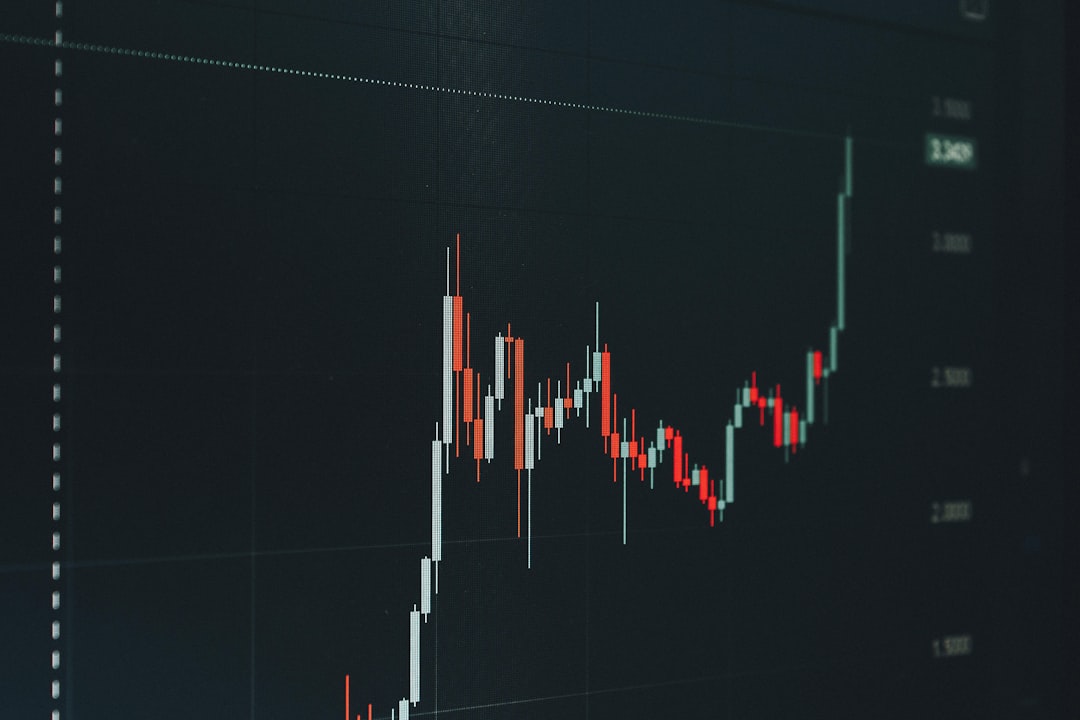
Here’s the chart nobody wants to put on the timeline.
The S&P 500 is supposed to be diversified exposure to America’s biggest companies. Five hundred names. Broad representation. The thing you’re told to buy and hold for thirty years because it smooths out risk.
Except right now, seven companies—Apple, Microsoft, Nvidia, Amazon, Meta, Alphabet, and Tesla—account for nearly a third of the entire index. That’s not diversification. That’s a concentrated bet with 493 supporting actors.
This isn’t subtle. It’s not a rounding error. If you own an S&P 500 index fund, roughly 30 cents of every dollar you invest goes straight into those seven tickers. The math is public, the weighting is mechanical, and almost nobody who buys the fund realizes what they actually own.
It’s been great. Until it isn’t.
How Your Index Fund Became a Tech Fund
The S&P 500 is market-cap weighted. That means the bigger the company, the more space it takes up in the index. Makes sense in theory—successful companies get more influence. But when a handful of companies grow faster than everything else for years, the weighting tilts.
A decade ago, the top ten holdings represented about 18% of the index. Today? North of 32%. The top seven alone sit near 30%. Nvidia’s weight has exploded as AI hype turned into real earnings—it’s now bigger than the entire energy sector combined.
This didn’t happen by accident. These companies posted monster returns. Nvidia alone is up more than 700% over the past five years. Microsoft and Apple have been compounding machines. The index fund did exactly what it’s designed to do: give you more of what’s working.
But here’s the part that gets skipped in the pitch: concentration cuts both ways. When these seven names rip, your index fund looks like genius-level stock picking. When they stumble, your “diversified” portfolio feels a lot more like seven individual bets that all went wrong at once.
What Happens When the Magnificent Seven Stumble?
The bullish case is easy to make. These are profitable, cash-generating monsters with real moats. AI isn’t going away. Cloud computing isn’t going away. The thesis works until it doesn’t.
History says concentration always unwinds. In , the top ten stocks made up about 25% of the S&P 500. Cisco, Intel, Microsoft, and a few others everyone swore would dominate forever. Then the dot-com bubble popped, and the index spent years going nowhere while those names gave back half their value or more.
When concentration works, it feels like free alpha. When it reverses, it feels like you picked the wrong fund—but you didn’t. You just owned the index.
The mechanism is simple. If Nvidia, Microsoft, and Apple all drop 20% while the other 497 names stay flat, your index fund is down around 6% before you even account for the rest. That’s the math of owning 30% exposure to seven tickers. You don’t get to opt out.
And it’s not hypothetical. In , when rates spiked and tech multiples compressed, the S&P 500 dropped about 18%. The Magnificent Seven? Many of them were down 30% to 50% from their peaks. Your “safe” index fund ate that drawdown—a drawdown is just the peak-to-trough decline, the gut-punch number—because it was holding the same names everyone else was.
🔥 Hot Take
You bought the index to avoid stock-picking risk, but you ended up with seven stock picks you didn’t even choose.
Is This Time Different Because of AI?
Maybe. AI is real, and the infrastructure spend behind it is measurable. Nvidia’s revenue isn’t speculative—it’s tripled in two years on actual demand for chips that power large language models and data centers. Microsoft and Amazon are printing money from cloud AI services.
But “this time is different” are the four most expensive words in investing. The dot-com boom was real too—the internet changed everything. The problem wasn’t the thesis. It was the valuation, the timing, and the assumption that the best companies today will stay the best companies forever.
Right now, the top seven trade at an average P/E ratio north of 30. That’s not insane, but it’s not cheap either. It assumes continued dominance, flawless execution, and no regulatory surprises. One antitrust ruling, one margin compression cycle, or one shift in investor sentiment, and the math gets ugly fast.
For most people, the right move isn’t to bail on the index fund. It’s to understand what you own and how much of your return depends on a handful of names continuing to work. That awareness changes how you think about risk when everyone else is talking about free diversification.
How This Compares to Equal-Weight Alternatives
There’s another version of the S&P 500 that barely gets mentioned: the equal-weight index. Instead of giving Apple and Nvidia 6% each, it gives every stock in the index roughly 0.2%. Same 500 companies, completely different exposure.
Over the past five years, the standard market-cap weighted S&P 500 has crushed the equal-weight version. Why? Because Nvidia, Microsoft, and the rest of the mega-caps did the heavy lifting. The equal-weight fund missed that juice.
| Index Type | 5-Year Return | Top 10 Weight |
|---|---|---|
| S&P 500 (cap-weighted) | ~95% | 32% |
| S&P 500 Equal Weight | ~65% | 2% |
| Nasdaq-100 | ~125% | 45% |
But here’s the flip side: when mega-cap tech stumbles, equal-weight tends to hold up better. It’s more exposed to industrials, financials, and consumer staples—the boring stuff that doesn’t rip in a bull market but doesn’t crater as hard when sentiment flips.
Neither approach is “better.” One gives you more of what’s working now. The other spreads risk more evenly. But both are still index funds, and both still reflect some version of concentration—just different flavors of it.
Sources & further reading
What This Means for Your Portfolio
If you own an S&P 500 index fund, you don’t need to panic or sell. The long-term case for passive investing still works. But you should at least know what you’re actually holding when you say you’re “diversified.”
You’re not diversified across 500 equal companies. You’re holding a momentum-weighted bet that the biggest winners of the past decade will keep winning. Sometimes that works for years. Sometimes it doesn’t.
For most people, the fix isn’t exotic. It’s awareness. Know that a huge chunk of your return is tied to seven names. Know that if those names roll over, your fund will feel it. And if that concentration makes you uncomfortable, there are equal-weight funds, international exposure, and small-cap indexes that tilt the other direction.
The mistake isn’t owning the index. The mistake is thinking you own something you don’t.
How concentrated is the S&P 500 right now?
The top seven stocks make up roughly 30% of the index, and the top ten account for over 32%. That’s nearly double the concentration from a decade ago. For context, in the early 2000s, the top ten peaked around 25% before the dot-com crash unwound that concentration.
Does this mean index funds are risky now?
Not inherently, but the risk profile has shifted. When a handful of mega-cap names drive most of the index’s performance, your returns become more dependent on those specific companies continuing to work. If they stumble—due to regulation, margin pressure, or a rotation out of tech—your “diversified” fund will feel concentrated on the downside.
Should I switch to an equal-weight index fund instead?
Depends on your view. Equal-weight indexes give you more exposure to mid-cap and small-cap stocks, which can cushion you when mega-caps fall but also means you miss out when they rip. Over the past five years, cap-weighted crushed equal-weight by about 30 percentage points because the top names dominated. Neither is “safer”—they just expose you to different risks.
The WealthPathly Desk
WealthPathly · ETFs & Index Investing
We cover markets, crypto, and the economy in plain English — sharp opinions, real numbers, no hype. Every piece is based on publicly available data and reputable sources, and is meant to make you a better-informed reader, not to tell you what to buy.
Disclaimer
This article is for general educational and informational purposes only. It is not financial, investment, tax, or legal advice, and nothing here is a recommendation to buy or sell any specific asset. Markets carry real risk and you can lose money. Your situation is unique — consider speaking with a qualified professional before making decisions.