Bad News Sends Stocks Higher. Here’s Why That Works.
Markets rally when recession fears climb. It sounds backward, but the mechanism is simple: bad news makes the Fed look dovish. Here’s how to read it. A…

Markets rally when recession fears climb. It sounds backward, but the mechanism is simple: bad news makes the Fed look dovish. Here’s how to read it. A…

Stablecoins explained: why a crypto dollar backed by real reserves trades differently than the cash in your bank, and the unglamorous risks that matter.

Dividend ETFs have outperformed growth since 2022, but the setup just changed. Here’s what the rate environment and total-return math actually tell you.

Stablecoins explained without the hype: what they actually are, how they stay pegged, why banks suddenly care, and the uncomfortable truth about where your…

One monthly data point moves billions faster than the central bank can speak. Here’s how the jobs report really controls rate expectations—and your portfolio.
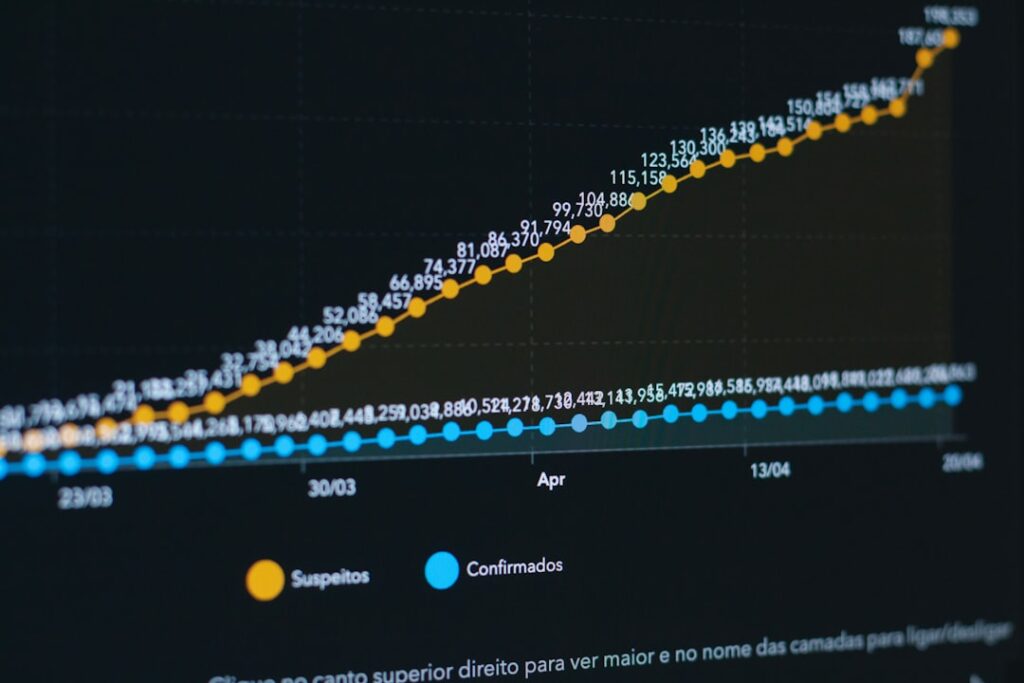
The monthly jobs report drives billions in capital flows in minutes. Here’s the actual mechanism behind why one labor number triggers instant Fed and market…
How higher interest rates completely rewrote tech stock valuations—and why the math behind decade-long growth premiums just stopped working.

Spot bitcoin ETFs let you skip the keys and custody headaches. But convenience has a price—fees, tax drag, and no control when it actually matters.

Tracking error measures how far an ETF drifts from its benchmark—and even small gaps compound into real money over time. Here’s what actually drives it.

When coins flow off exchanges during price chop, strong hands are accumulating. Exchange reserves matter more than price action—here’s why that gap tells…