
Self Custody Means You Actually Own It or You Don’t
Anchorage cut 17% of staff, Blast lost 98% of user funds. Self custody is the only hedge against counterparty risk most crypto holders ignore until it’s too…

Anchorage cut 17% of staff, Blast lost 98% of user funds. Self custody is the only hedge against counterparty risk most crypto holders ignore until it’s too…
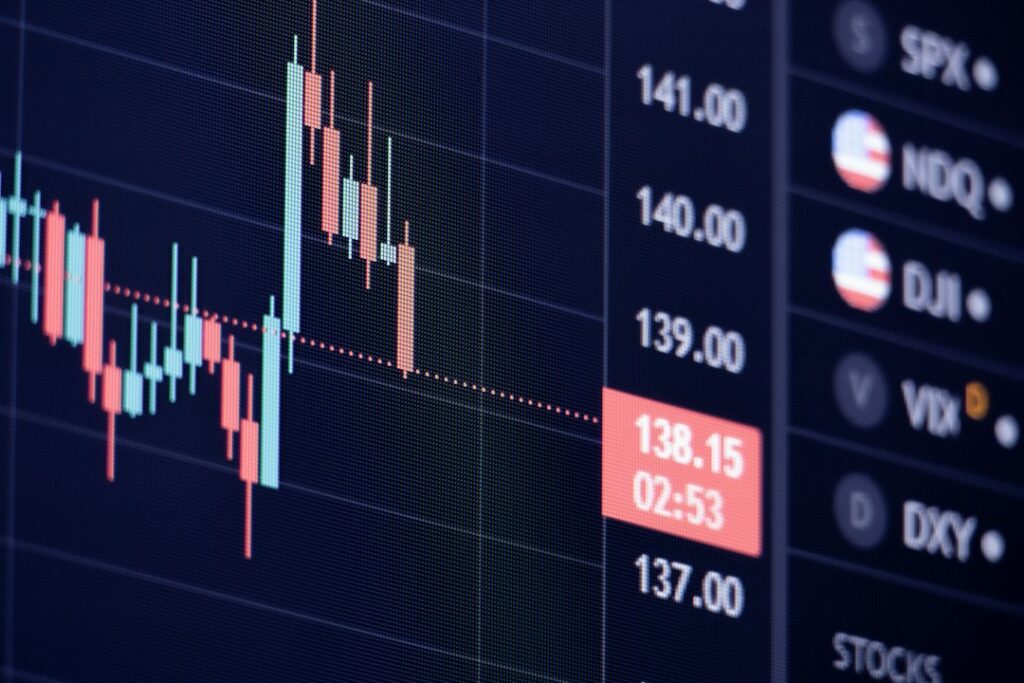
Your index fund was supposed to spread the risk. Now seven stocks control a third of it — and rising rates just made everyone notice at once.

Stablecoins explained: how Tether, USDC, and new challengers like Open USD are building a new money layer that moves $180B+ daily — and why it matters now.

Interest rates stayed high and growth stocks fell hard. Here’s the math behind why valuations collapse when the discount rate changes by 100 basis points.
A strong dollar makes American exports pricey and tightens global credit—exactly when trade tensions heat up. Here’s how the currency boomerang works.

A strong dollar makes imports cheaper, but it’s wrecking U.S. exporters and triggering a $365 trillion debt crisis abroad. Here’s why strength cuts both ways.
The Magnificent Seven now make up over 30% of the S&P 500. Your “diversified” index fund is a handful of mega-cap tech bets—here’s the math.

Bitget just lost $388M in user funds. The self custody debate is back — but both sides get the math wrong. Here’s what actually matters.
ETF liquidity determines what you actually pay, not the price you see. During volatility, spreads blow out—costing you hundreds or thousands per trade.

Stablecoins explained: $150B settles weekly on-chain while NYSE tokenizes stocks. The gap between usage and understanding has never been wider.